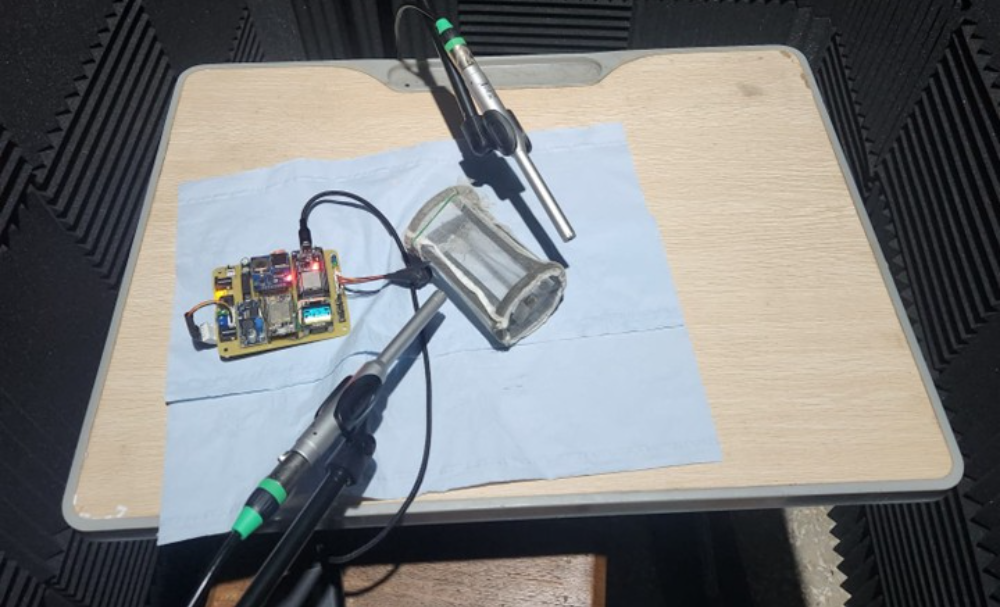
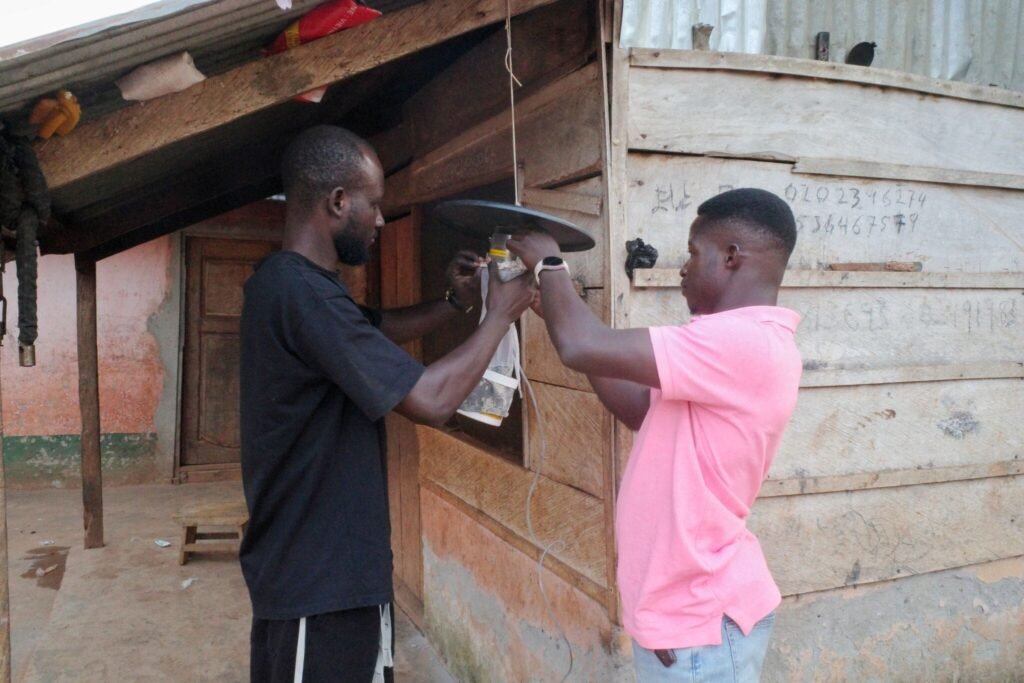
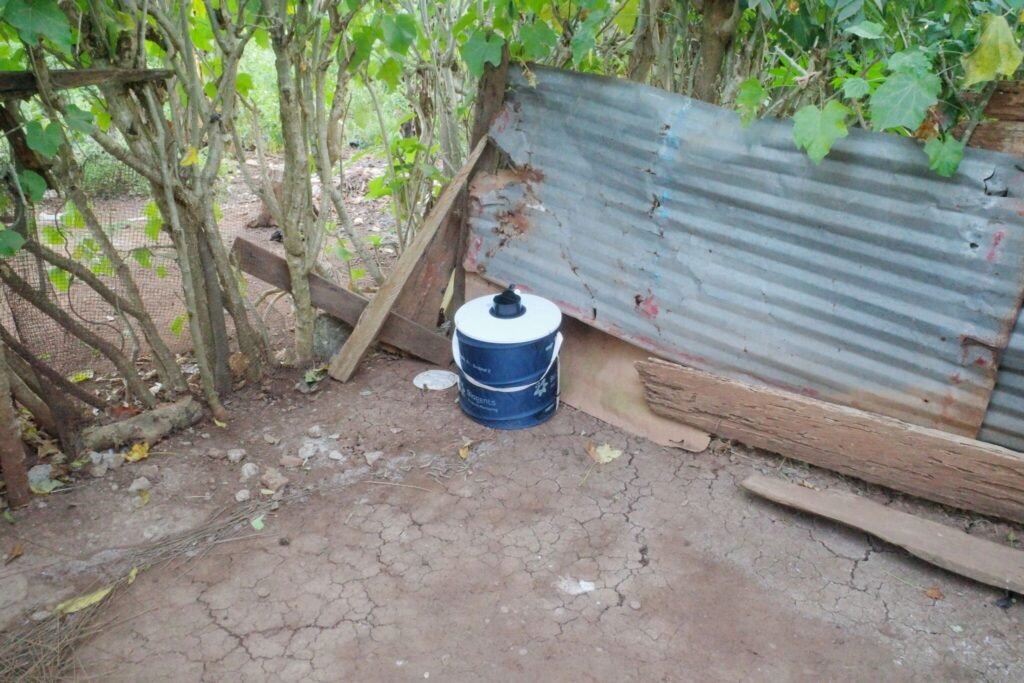
RAPiD-VBP advances vector surveillance through the development, testing, and refinement of acoustic sensing devices designed to capture mosquito wingbeat sounds in real-world environments. This work includes validating device performance, improving signal quality, and integrating embedded system components that support reliable data collection under field conditions in Ghana.
Audio Classification of Mosquito Species and Age Groups
The project conducts detailed audio-based classification of mosquito species captured in Ghana, with a focus on distinguishing key vectors such as Aedes and Anopheles. Using machine learning models, the research further differentiates mosquitoes by age groups, including young, middle-aged, and older adults, as well as by sex, supporting improved understanding of vector population structure and transmission risk.
Image-Based Classification of Mosquito Life Stages
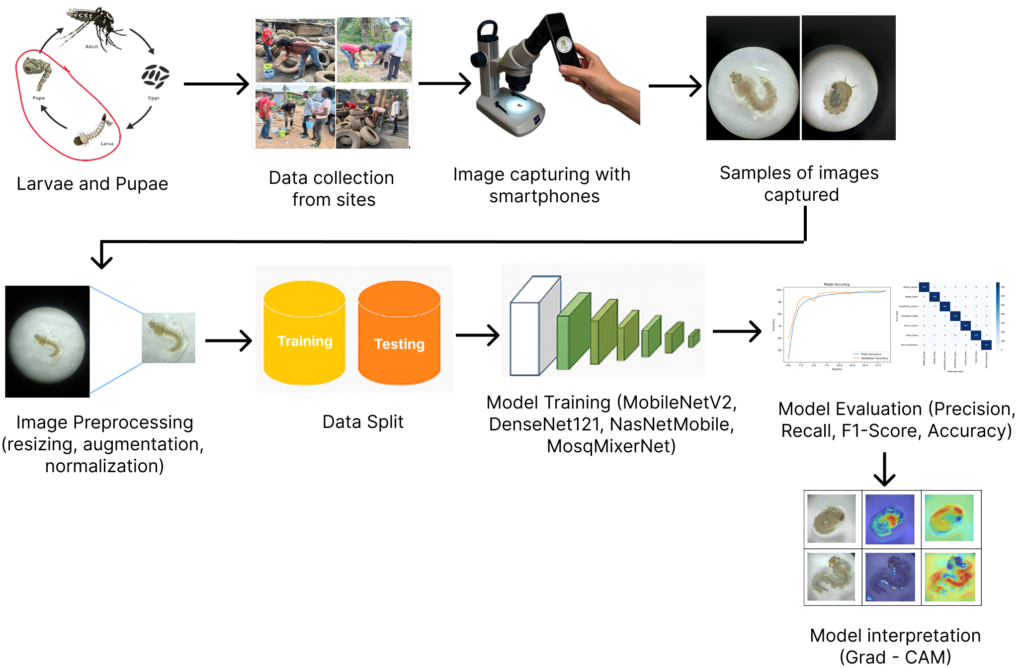
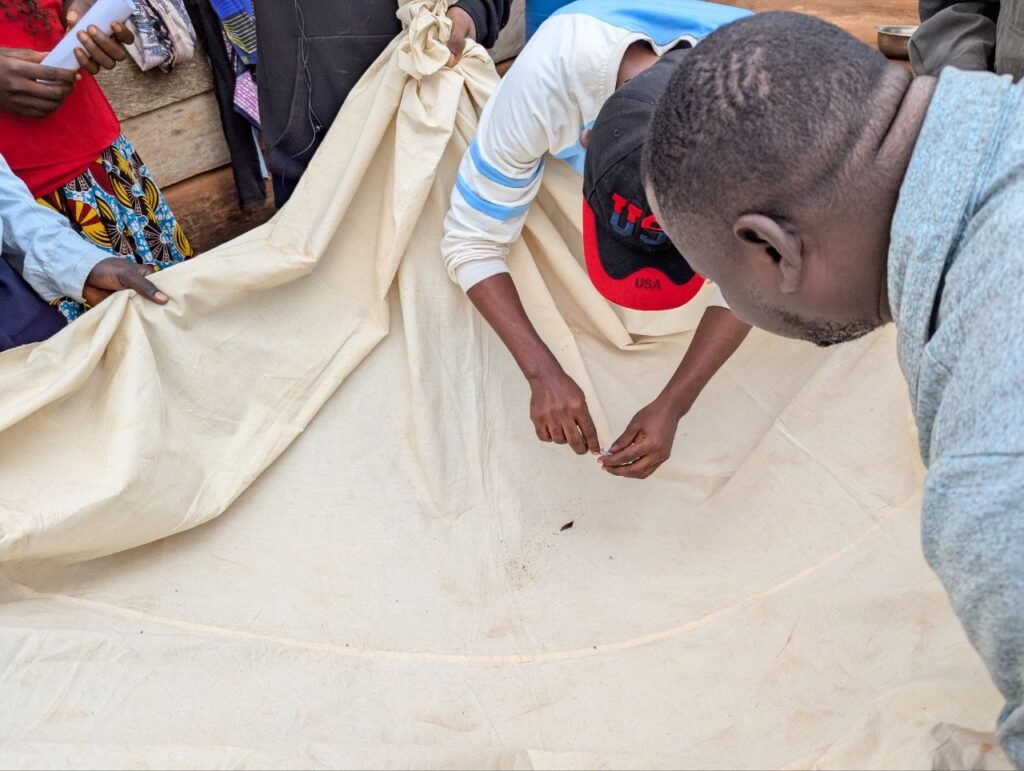
RAPiD-VBP employs image classification techniques to identify and distinguish mosquito species across life stages. This work is conducted in two complementary streams: classification of adult mosquitoes and classification of early developmental stages, including larvae. Together, these approaches strengthen automated identification and support scalable surveillance efforts.
Pathogen and Vector Interaction Research
The project also investigates the relationship between mosquito vectors and the pathogens they carry. This research focuses on understanding pathogen presence, transmission dynamics, and interactions within mosquito populations, providing critical insights that inform early detection strategies and public health risk assessment.
Community Engagement, Ethics, and Public Dialogue
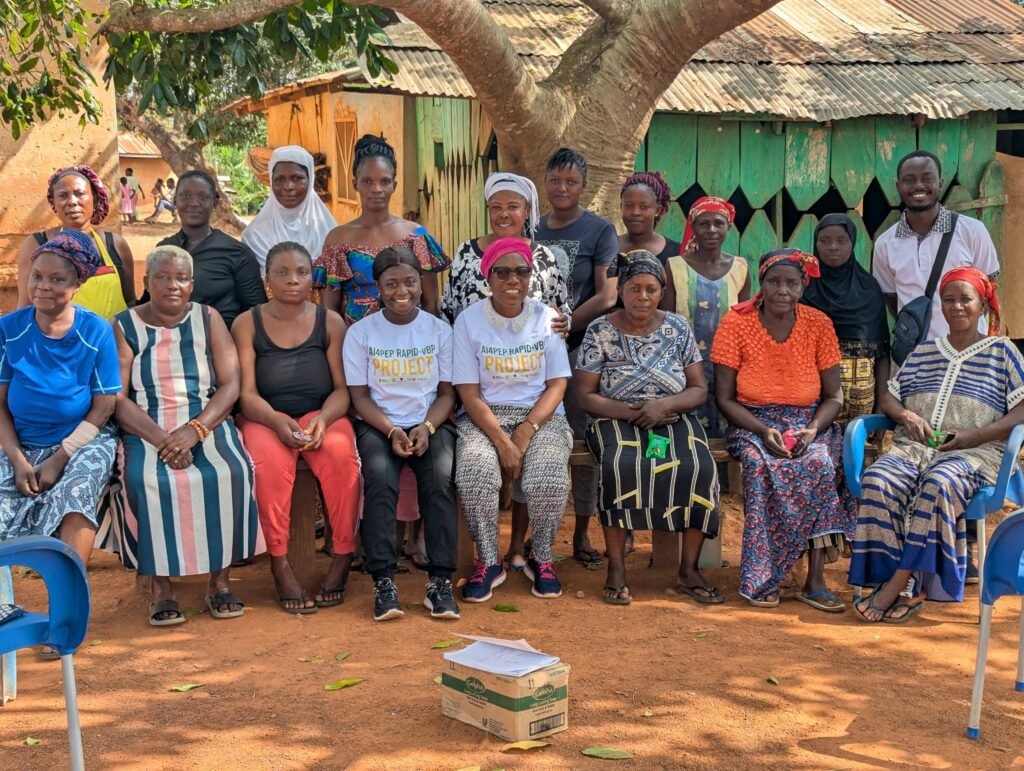
Recognizing the importance of social context, RAPiD-VBP incorporates research on community engagement and ethical considerations. This includes structured discussions, stakeholder meetings, and engagement with journalists and community representatives to promote transparency, responsible data use, and informed public communication around vector surveillance and disease risk.
Climate Change and Mosquito Distribution Dynamics
RAPiD-VBP examines the influence of climate change on mosquito distribution and disease risk by analyzing environmental and climatic factors across different regions. This research explores how temperature, rainfall, and ecological change affect mosquito abundance and spread, supporting predictive models that link climate trends to emerging vector-borne disease threats.