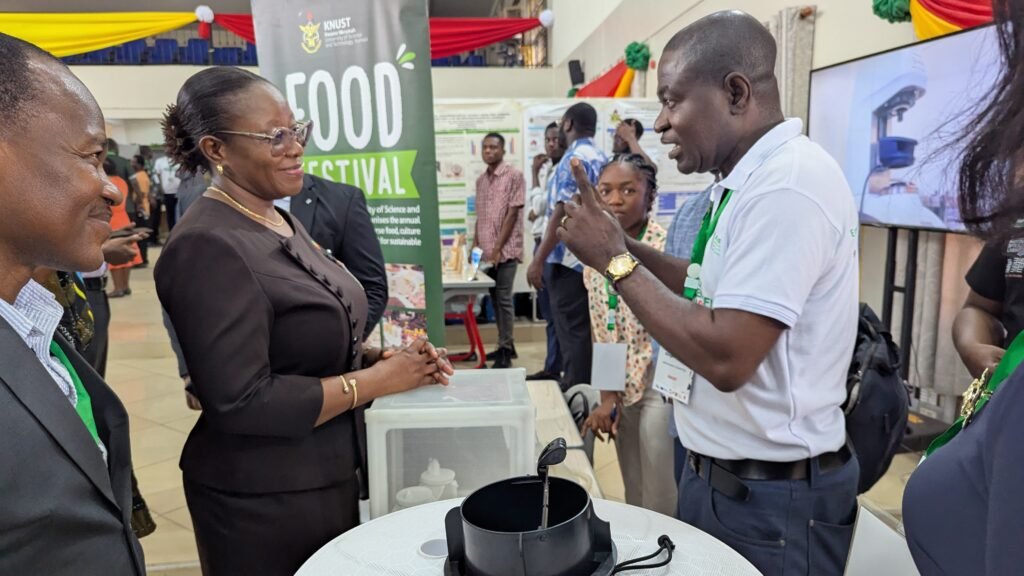
Dr. Gyening gives a talk on blockchain applications in AI
On March 10th, 2024, Dr. Rose-Mary Owusuaa Mensah Gyening, a key member of the RAPID-VBP research team, gave a...
Read MoreWelcome to RAPiD - VBP
Responsible AI for developing a Robust public health surveillance system: Early Detection and Prediction of Vector-borne Viral Zoonotic Pathogens
RAPiD-VBP is a multidisciplinary research initiative developing data-driven and responsible artificial intelligence tools to support early detection and prediction of vector-borne viral zoonotic diseases, with a focus on public health preparedness in Ghana and similar settings.
Vector-borne viral diseases pose an increasing threat to global health due to climate change, urbanization, and ecological disruption. RAPiD-VBP addresses this challenge by integrating artificial intelligence, field surveillance, and public health expertise to strengthen early warning systems and support evidence-based decision-making.
Vector-borne viral zoonoses such as dengue, yellow fever, and other emerging pathogens continue to challenge public health systems, particularly in low- and middle-income countries. Delayed detection limits response capacity and increases the risk of outbreaks.
RAPiD-VBP aims to:
- Improve early detection of viral threats through enhanced surveillance
- Develop predictive models to support timely public health interventions
- Promote responsible and ethical use of artificial intelligence in public health
- Strengthen local research capacity and cross-institutional collaboration
- AI-Driven Surveillance: Applying machine learning to entomological, environmental, and epidemiological data
- Field Data Collection: Integrating vector surveillance and environmental monitoring
- Prediction & Risk Mapping: Supporting proactive public health responses
- Responsible AI: Ensuring transparency, fairness, and accountability in AI systems
- Capacity Building: Training researchers and public health
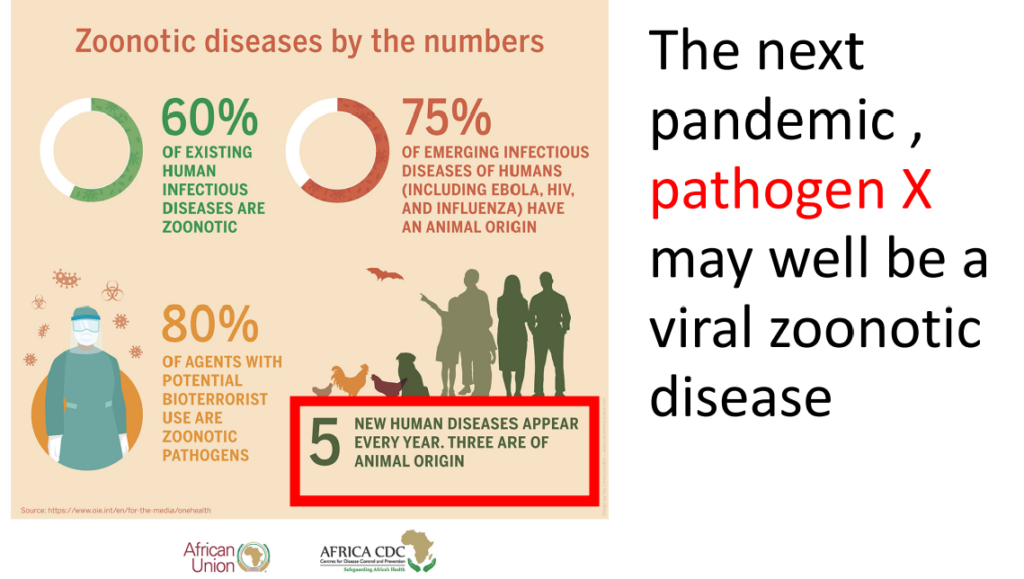
Zoonotic diseases, which are transmitted from animals to humans, represent a growing challenge to global public health. Human expansion into wildlife habitats has intensified interactions between people and animals, increasing the likelihood of pathogen spillover. As a result, an estimated 60% of all human infectious diseases are zoonotic in origin.
More concerning, approximately 75% of emerging infectious diseases, including Ebola, HIV, and influenza viruses, originate from animal hosts. These trends highlight the critical importance of early detection, surveillance, and preparedness to prevent large-scale outbreaks and protect public health systems worldwide.
Stay informed and inspired with the latest insights, tips, and trends from our experts.

On March 10th, 2024, Dr. Rose-Mary Owusuaa Mensah Gyening, a key member of the RAPID-VBP research team, gave a...
Read MoreThe RAPID-VBP project aims to provide a robust public health surveillance system powered by an AI-based automated vector surveillance...
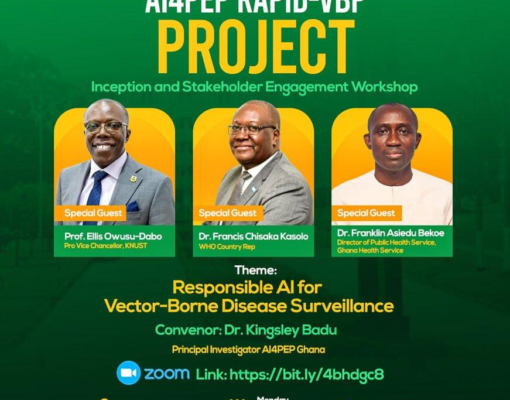
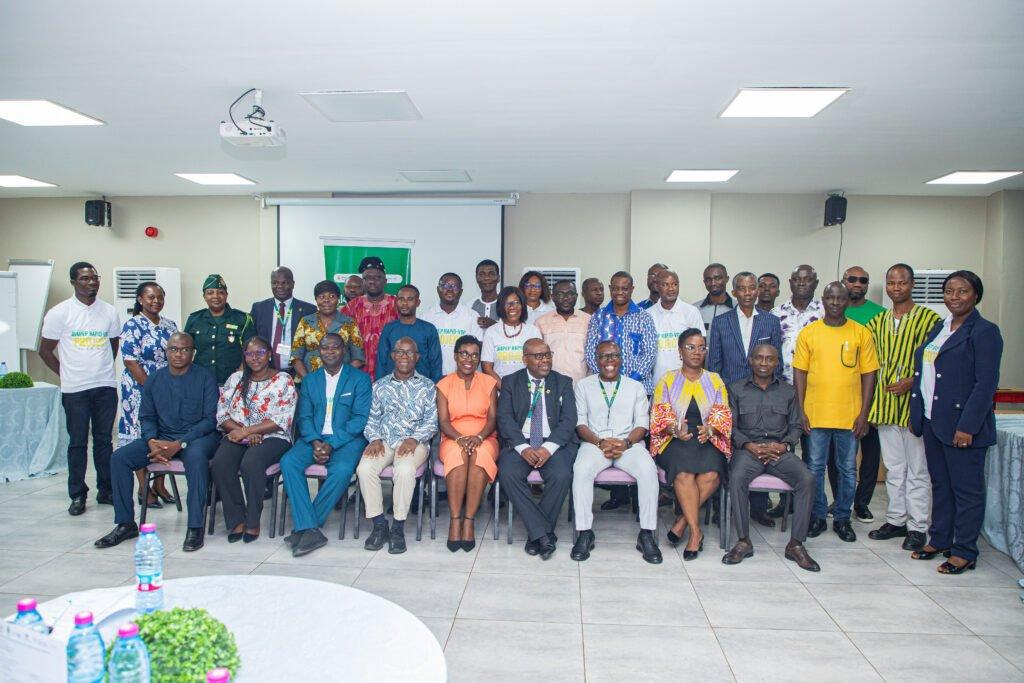
Read MoreWe are pleased to announce the successful completion of the AI4PEP RAPID-VBP Project Inception and Stakeholder Engagement Workshop, which...

Read More